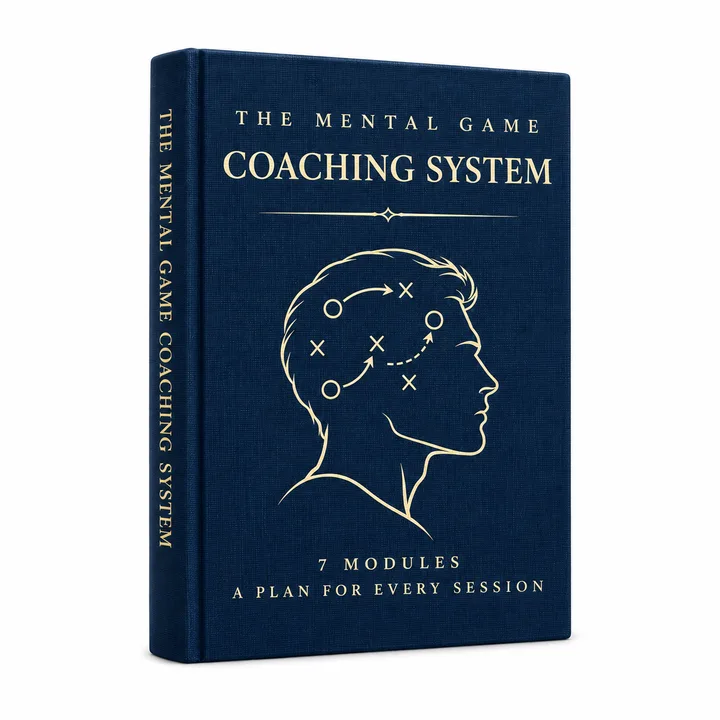
The session system for mental game coaches: 7 modules that tell you what to do in every session, from the first call with a new athlete to the progress report for the parents, plus a home practice plan, so you never walk into a session without a plan and turn what you know about sports into a little extra income, from a laptop in your own home.

“I am nervous that I will not know what to say or say the wrong thing”
“I coach part-time, so I'm making enough with only remote clients.”
Families in the US spend about $1,000 a year on one kid's main sport, before travel teams and private lessons. Mental game coaches charge about $75 to $150 a session, and a monthly plan of 4 sessions runs $300 to $600, all on a video call from home.
“Young athletes rebuild confidence faster when they are shown what to do next, not only told how to feel.”
A youth sports coach · Reddit
Sources: Aspen Institute Project Play, 2024 parent survey; typical US rates for mental performance coaching.
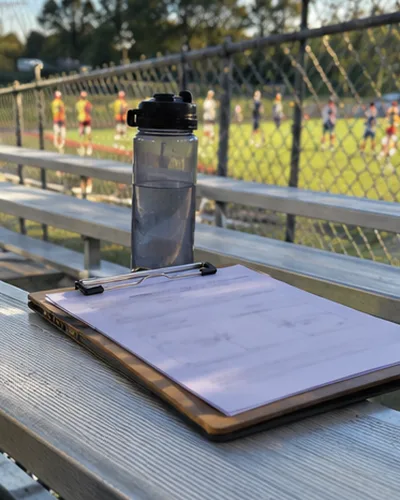
Every season brings tryouts, big games and nerves. Parents already pay for skills trainers and travel teams, and the ones who look for a mental game coach do it 2 to 3 weeks before the games that matter.
Enough time to read the System, run your first intro calls and book your first athletes on a monthly plan, with the next season right behind it.
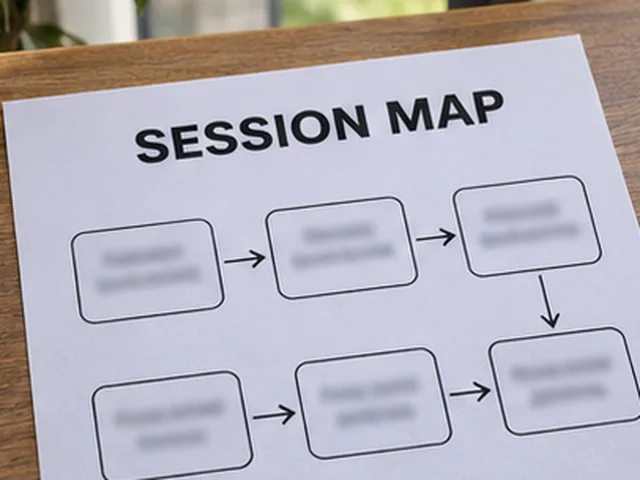
It's not a lack of knowledge. It's a lack of a system. Open the Session Map, see where you are, run the next step. Every session builds on the last one, so the athlete feels the progress.
A pep talk lasts until the first mistake. A reset routine, a pre-game plan and a confidence scale last all season. That's what the athlete takes onto the field.
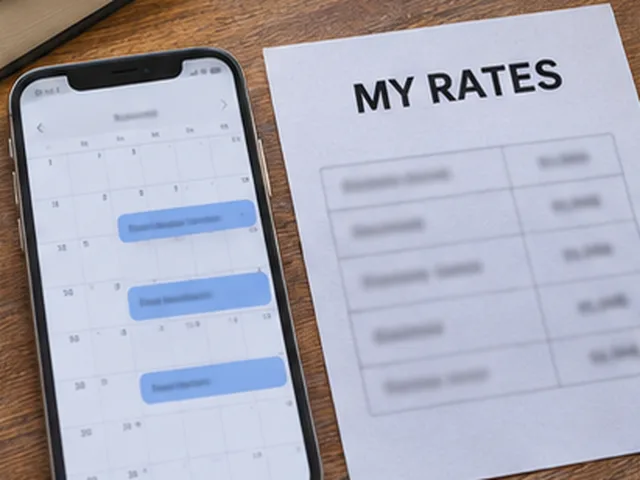
There's no gym rent and no club taking a cut. The video call is free and the worksheets are already made. The rate sheet shows you what to charge, so you never undersell your time.
$27 for the System and a quiet room at home. No office, no new degree, no expensive course. Your first athlete pays for anything else you add.
Fall and winter are the fastest start, and they're not the only one. Every sport has its own season, so an athlete who trusts you books again when the next one starts.
🏆 Tryouts · 🔥 Playoffs · 📉 Slumps · 🩹 Comebacks after injury · 🎓 College recruiting · 🆕 New teams · 😬 Big tournaments · 🧢 Senior year · 💪 Just because
$75–100One athlete, one video call, one clear focus. The easiest way to start, and the way most parents try you.
$300–6004 sessions a month with a game plan and a progress report. Parents renew when they see the change, and teammates follow.
Open the System, plan your next session with it and use the worksheets with an athlete. If it isn't for you, send one email within 7 days and we'll refund you in full. No forms, no hard feelings.
They were exactly where you are before the first session.
Melissa ›
Jason ›
Keisha ›

Illustrative conversations based on what mental game coaches share online. Individual results vary.
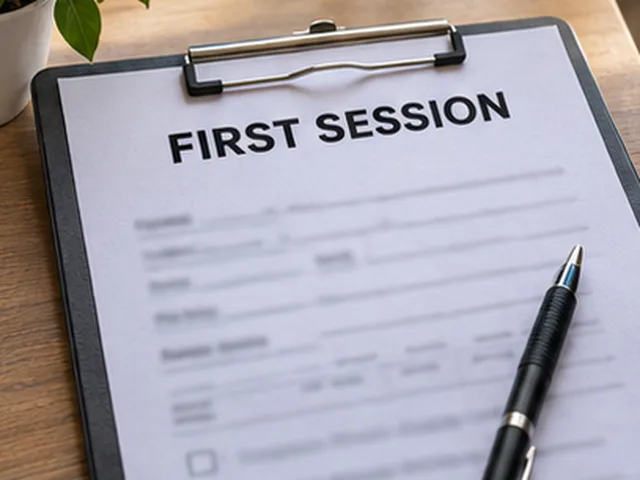
Two evenings. Read the Session Map, then go through Module 1 and print the First Session Script and the intake worksheet.
A laptop, a free video-call app, a quiet room and good light. Go through the setup checklist and the page on when to refer an athlete to a licensed professional.
The rate sheet gives you your prices. Send the booking text to the people who already know you: coaches, team parents, your old club and your local Facebook group.
Follow the script, send the game plan the same night and offer the monthly plan. Then book the next one.
That's it. One week. And just like that, what you know about sports is earning you a little extra income.
Every one of these has its own plan inside, and its own line on the rate sheet for a little extra income.
Reset after a lossSession $75–100
Pre-pitch routineSession $75–100
Focus under pressureSession $75–100
The comebackSession $90–150
Team workshopWorkshop $250–400
Race day nervesSession $75–100From the first call with a new athlete to your first extra income from your own home office.
The first call decides if the parents book a second one. Here you get the 8 areas to explore, the questions to ask and how to close with a clear first goal, plus the signs that mean an athlete needs a licensed professional, not a coach.

“I get nervous” isn't something you can work on. This module turns what the athlete tells you into 2 or 3 priorities, a goal for each one and the signs that show it's working.

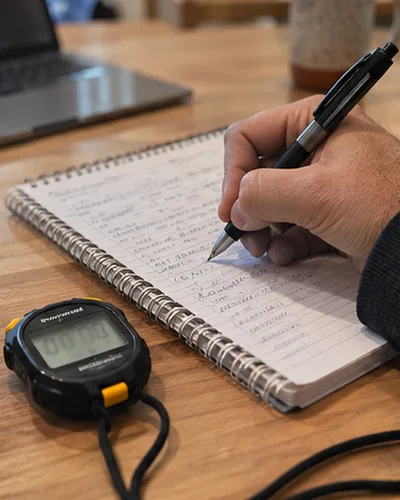
The 6 steps behind every session, so no session starts with “so, what did we do last week?” Each one picks up where the last one ended and ends with a task for the week.

When a coach asks you to talk to the whole team. A 45-minute workshop plan, the team leadership map and what to do when the locker room splits.

The doctor clears the body. The mind takes longer. The 5 stages of an injury, the confidence scale and a return plan, so the first game back isn't the scariest one of the season.

What you practice in the session has to hold up on the field. A pre-game routine, a 10-second reset after a mistake and a plan for the big game, step by step.

Parents renew when they can see the change. A one-page monthly report that shows the progress without sharing what the athlete told you in private.

Your extra income starts here: the script for the first call, the plan between sessions, what to do after a bad loss, and what to charge, what to say and who to tell first to book athletes from home: coaches, team parents, your old club and your local Facebook group.

What coaches say when the work happens from home.

“I just graduated with my master's in sports psych over the weekend and I have no idea what's next.”
A sport psychology graduate · Reddit
“Starting and running a business is all new to me.”
A sport performance consultant · Reddit
“My poor kids are getting so discouraged and I don't know how to keep their spirits up.”
A youth sports coach · Reddit
“Most times, the last line of my note includes where to start next session.”
A practitioner · Reddit
“I'm not sure what the line is between being empathetic/affirming but also teaching them grit and toughness.”
A youth lacrosse coach · Reddit
“one of the biggest issues I face with scaling is that there's only one of me.”
A mental performance coach · Reddit
“Just starting to charge clients and wondering how you manage the booking setting and then payments.”
A new coach · RedditReal words from coaches and sports pros online, not from buyers of this method. Results vary.
No. This is a digital system: you get instant access to every module, worksheet, script and report template the moment you pay. Nothing is shipped, so there's no waiting and no shipping cost.
No, and you won't call yourself one. In the US "psychologist" is a licensed title. The System is for mental game coaching: confidence, focus, routines and pressure, the performance side. It's made for coaches, former athletes, trainers and sport psychology students.
No. Mental game coaching works on performance, not on mental health. Module 1 includes a one-page guide to the signs that mean an athlete needs a licensed professional, and what to say to the parents when that happens.
There are, and that's the problem. Free videos give you ideas, not a plan. The System tells you what to do in the first session, the fourth and the tenth, with the worksheet for each one already made.
Yes. Pressure, confidence, focus and mistakes look the same in soccer, baseball, swimming, tennis or basketball. Every module has examples from team and individual sports.
It depends on your hours and your rates. If you keep about $320 an athlete on a monthly plan, 4 athletes works out to about $1,200–2,400 a month. Team workshops pay more. Results are not guaranteed and depend on your effort, rates and area.
Parents who already pay that or more for a skills trainer, a travel team or a private lesson, and watch their kid freeze in the games that matter. Mental game coaches in the US often charge from about $75 to $150 a session. They aren't paying for the call. They're paying for a kid who plays the way he practices.
A laptop or tablet, a free video-call app, a quiet room and the System. The setup checklist in the Home Practice Plan tells you exactly what to have ready before your first athlete.
That's exactly who the System is for. Start with Module 1, run your first sessions with the scripts and practice with an athlete you already know before your first paying one.
Parents care about one thing: does their kid play better and feel better. A clear plan, a monthly report and a kid who stops freezing in big games are what bring them back. Nobody asks where your desk is.
You start with people who already know you: coaches, team parents, your old club and your local Facebook group. Every team has a kid who freezes in big games. The plan gives you the exact texts to send, and your home office costs you nothing while it waits.
Word of mouth, team parents, local clubs and high schools, your local Facebook group and Nextdoor. The Home Practice Starter Plan shows you where to start in the first 30 days.
You're not trying to. A family in your town doesn't need a famous name. They need someone their kid trusts, who knows the sport and shows up every week with a plan. That's you.
A session takes about 50 minutes. Two athletes on a weeknight or a Sunday afternoon. You decide how many you book.
Yes. Print the worksheets and use them with your athletes as much as you like. The System itself is for you: sharing or reselling it isn't allowed.
Yes. Checkout is secure, everything arrives in your email the moment you pay, and you're covered for 7 days.
Your purchase is covered for 7 days. Open the System, plan a session with it, and if it isn't for you, send us one email and we'll refund you in full.